Fryer Redwork Embroidery Review
As an embroidery designer with years of experience in creating custom designs for handmade products and commercial embroidery, I recently had the opportunity to work with Fryer Redwork from Creative Fabrica. This design caught my eye not just for its aesthetic appeal but also for its potential in a variety of real-world projects. In this review, I’ll walk you through my first impressions, how it performed in practical use, and what makes Fryer Redwork a valuable addition to any embroidery designer’s toolkit.
First Impressions: A Classic Redwork Design with Modern Flexibility
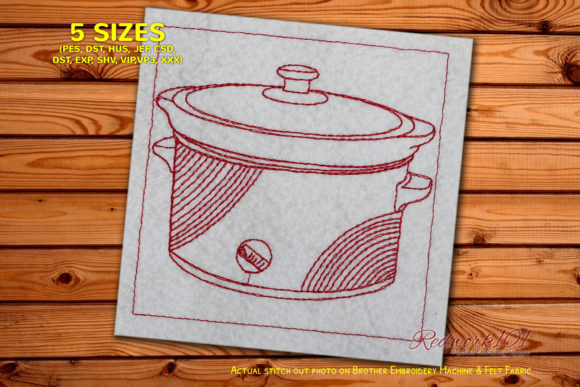
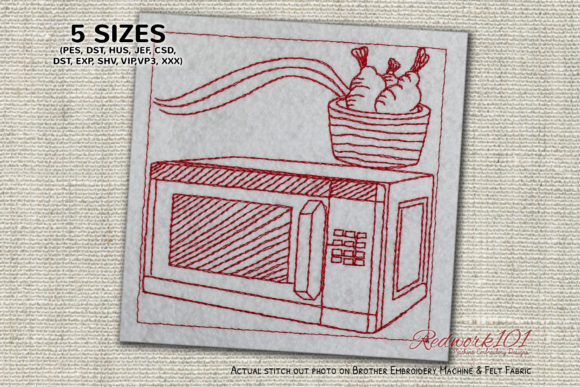
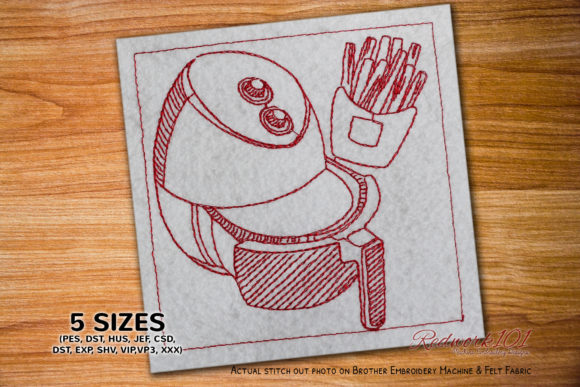
Fryer Redwork immediately stood out for its clean, minimalist lines and traditional redwork charm. The visual mood is warm and inviting, which makes it ideal for kitchen-themed or rustic-inspired projects. The detail level is just right—neither too intricate nor too simple—for those who want to add character without overwhelming the fabric.
The stitching personality of Fryer Redwork leans toward a classic, hand-crafted feel. It has a decorative yet subtle appeal that works well on both small and large-scale items. Whether you're designing a personalized gift or a commercial product, this design feels versatile enough to adapt to different contexts.
Practical Use: From Tote Bags to Custom Apparel
I tested Fryer Redwork on several surfaces, including tote bags, sweatshirts, and aprons. Its stitch density was moderate, making it suitable for most fabrics without requiring excessive stabilizer. The design worked particularly well on medium-weight cotton and felt, though I did notice that it required careful attention when working with stretchy or textured materials.
One of the standout features of Fryer Redwork is its ability to translate beautifully into custom apparel. When I used it on a sweatshirt, the embroidery held up well under washing and retained its shape. For smaller items like patches or cap embellishments, the design maintained clarity even when scaled down.
If you’re looking for a design that can be adapted for seasonal handmade gifts, Fryer Redwork fits perfectly. I especially liked how it looked on a baby blanket and a pillow cover, adding a touch of warmth and nostalgia without being overly busy.
Considerations for Real-World Projects
When using Fryer Redwork, there are a few practical considerations to keep in mind. First, the color of the outer box in most designs is optional, allowing you to skip it if needed. This flexibility makes it easier to match the embroidery with your fabric or other design elements.
For small hoop sizes, I found that Fryer Redwork worked best when I adjusted the design slightly to ensure all details were visible. Tiny lettering or intricate patterns may require more precise placement, so testing on scrap fabric before committing to a final product is always a good idea.
Another important factor is thread color contrast. Since Fryer Redwork is typically designed for redwork, choosing a thread that complements your fabric will enhance the overall look. If you’re using dark fabric, consider adjusting the colors or using a light-colored thread for better visibility.
Design Value and Brand Consistency
Fryer Redwork adds a sense of quality and craftsmanship to any finished product. It elevates the handmade presentation, which is crucial for Etsy sellers, boutique merchandise, and craft fair products. The design’s visual appeal helps increase buyer trust and customer engagement, especially when paired with high-quality product photography.
For digital product sellers or creative entrepreneurs, this design can serve as a key asset in your portfolio. Its versatility allows it to fit into various niches, from nursery decor to commercial embroidery. Ensuring brand consistency across multiple items is made easier with designs like Fryer Redwork, which maintain a cohesive style across different applications.
Embroidery Notes for Optimal Results
To get the best results with Fryer Redwork, here are some practical embroidery notes:
- Test on Scrap Fabric: Always test the design on a scrap piece of fabric before applying it to your final project. This helps identify any issues with stitch density or color contrast.
- Check Thread Color Contrast: Make sure the thread color matches or complements your fabric for optimal visibility.
- Review Stitch Density: Adjust the stitch density if needed, especially when working with stretchy or textured fabrics.
- Confirm Hoop Size: Ensure your hoop size is appropriate for the design. Some details may need resizing for smaller hoops.
- Compare Light and Dark Fabric Mockups: See how the design looks on both light and dark fabrics to determine the best application.
- Use Proper Stabilizer: Especially for stretchy or delicate fabrics, using the right stabilizer ensures the embroidery stays intact after washing.
- Inspect Small Details After Stitching: Check for any missed stitches or inconsistencies, especially in small areas.
- Confirm File Details and Licensing: Always review the product page for file formats, licensing, and any restrictions before selling finished items.
Fryer Redwork is a solid choice for anyone looking to add a touch of classic charm to their embroidery projects. Whether you're a hobbyist or a professional, this design offers the flexibility and quality needed for both personal and commercial use. As with any machine embroidery design, taking the time to understand its capabilities and limitations will help you achieve the best results possible.