Microwave Lineart Embroidery Design Review
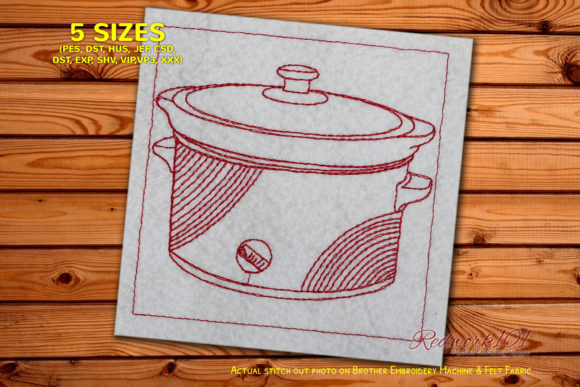
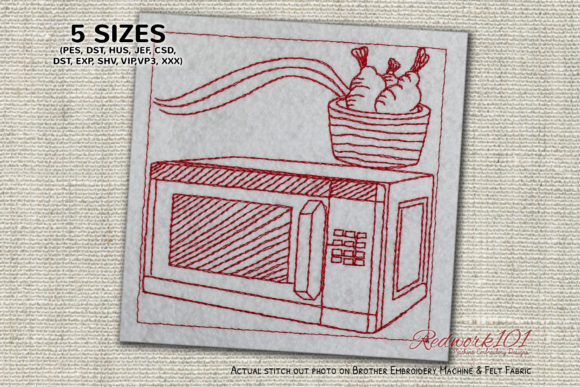
As an experienced embroidery designer, I recently tested the Microwave Lineart design for a personalized gift shop. This machine embroidery design caught my attention with its clean lines and subtle charm, making it a versatile choice for various handmade products. Whether you're an Etsy seller, a small shop owner, or a craft fair vendor, this digital embroidery file could be a valuable addition to your collection.
First Impressions of Microwave Lineart
The first thing that struck me about Microwave Lineart was its ability to convey warmth and simplicity. The design has a gentle, modern aesthetic that feels both classic and contemporary. It’s not overly detailed, which makes it ideal for those who appreciate minimalistic artistry in their handmade products. The line work is crisp, and the overall mood is sweet and approachable — perfect for baby items, wedding keepsakes, or even kitchen towels.
What I found particularly appealing was how the design adapts well to different thread colors. While the outer box in the picture is optional, you can easily skip the color if needed, allowing for greater customization. This flexibility makes it suitable for a wide range of fabric types and customer preferences.
Uses for Microwave Lineart in Personalized Gifts
Microwave Lineart offers a lot of creative possibilities. Here are some practical applications:
- Baby embroidery: This design would work beautifully on baby blankets, onesies, or pillow covers. Its soft, rounded edges evoke a sense of comfort and safety, which is essential for baby products.
- Wedding gifts: As a wedding keepsake, the design's elegant simplicity adds a touch of sophistication without being too ornate. It could be embroidered onto a custom tote bag or a personalized apron.
- Nursery decor: From embroidered towels to wall hangings, Microwave Lineart brings a gentle charm to nursery spaces.
- Kitchen items: This design is especially fitting for kitchen-related products like dish towels, aprons, or oven mitts. Its theme subtly ties into the kitchen category, adding relevance and context.
- Etsy listings: For digital product sellers, the embroidery file can be sold as a printable mockup or as part of a larger bundle of customizable designs.
Where to Use Microwave Lineart with Caution
While Microwave Lineart is highly adaptable, there are certain situations where extra care should be taken:
- Small lettering: If the design includes any text, ensure that the font size is large enough to remain legible after stitching.
- Delicate details: The line work is delicate, so using a proper stabilizer is crucial to avoid puckering or distortion.
- Textured fabric: On fabrics with a rough texture, the stitch density might need adjustment to maintain the design’s clarity.
- Dark fabric: When using dark-colored fabric, test the thread colors to ensure sufficient contrast and visibility.
- Frequent washing: Designs on items that will be washed often, such as towels or aprons, should be stitched with durable thread and proper techniques to ensure longevity.
Impact on Giftability and Customer Appeal
The emotional appeal of Microwave Lineart lies in its ability to create a warm, personal connection between the giver and receiver. Customers looking for meaningful, handmade gifts will find this design both appealing and unique. Its subtle charm helps elevate the perceived value of the finished product, making it more attractive for buyers searching for something special.
For Etsy sellers and small shop owners, this design can help build trust by showcasing the quality of your handmade products. A well-executed embroidered towel, pillow cover, or blanket embroidery with this design can significantly boost buyer engagement and encourage positive reviews.
Practical Embroidery Notes
Before using Microwave Lineart on real customer orders, here are a few key steps to follow:
- Test on scrap fabric: Always test the design on a sample piece of fabric before committing to a full project.
- Check thread color contrast: Ensure the chosen thread colors provide good visibility against the fabric background.
- Confirm hoop size: Make sure the design fits within the hoop size you plan to use.
- Review stitch density: Adjust the stitch density based on the fabric type to prevent distortion.
- Use proper stabilizer: Especially important for stretchy or textured fabrics.
- Compare light and dark fabric mockups: This helps determine how the design will look under different lighting conditions.
- Check small details after stitching: Ensure all elements of the design are clear and intact.
- Confirm commercial licensing: Before selling finished products, verify that the digital embroidery file allows for commercial use.
Microwave Lineart is a great example of how a simple design can have a big impact when used thoughtfully. Whether you're creating a custom tote bag, a personalized apron, or a heartfelt wedding gift, this design has the potential to enhance your handmade products and attract a wide range of customers. Just remember to test thoroughly and make adjustments based on the fabric and intended use. With the right preparation, Microwave Lineart can become a go-to design for your personalized gift offerings.